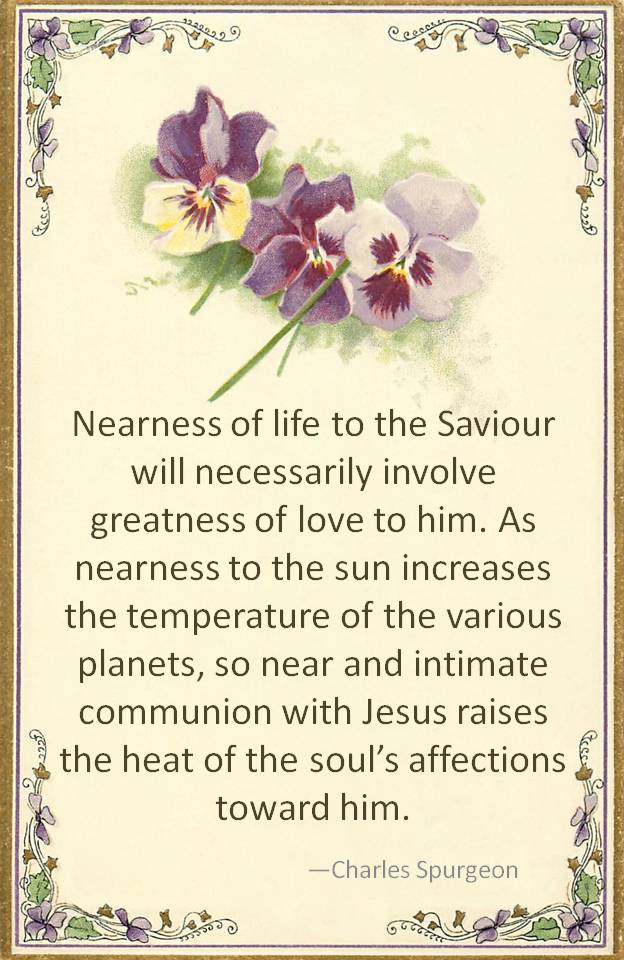
In an 1891 issue of The Pansy magazine, Isabella Alden shared a thoughtful passage by the famous preacher Charles Spurgeon.
Because her magazine was written for young readers and families, Isabella frequently featured quotes and insights from spiritual leaders that illuminated simple truths. Spurgeon’s words draw a beautiful parallel between astronomy and the heart, reminding her readers—and all of us—how personal communion with Christ naturally deepens our devotion.
You can find more words of wisdom like the one above, which you can print and share. Just enter “quotables” in the search box on the right to see more.
In the early 1910s, Americans were experiencing a world in turmoil. With major events like the start of World War I and the sinking of the Titanic, many people found themselves looking for reassurance, order, and a sense of control over their futures. One surprising place they turned to—The stars.
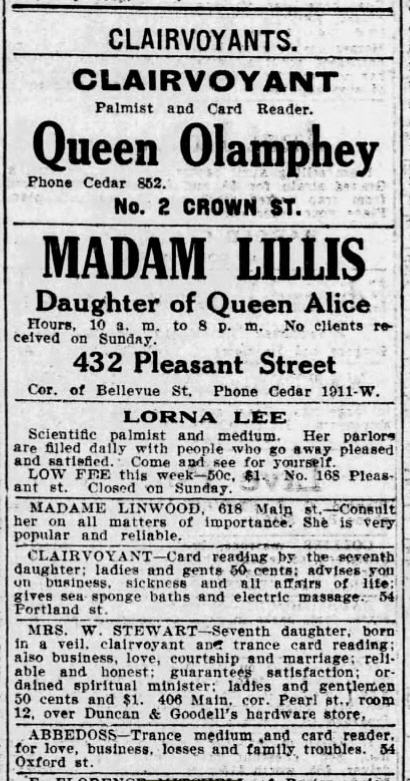
During this time, a massive craze for astrology, palmistry, and fortune-telling swept the country. Newspapers filled their classified pages with advertisements from self-proclaimed astrologers, clairvoyants, and palm readers promising to map out business prospects, cure health troubles, and—most popular of all—arrange perfect marriages.
from the Telegram and Gazette (Worcester, Massachusetts) September 6, 1914.
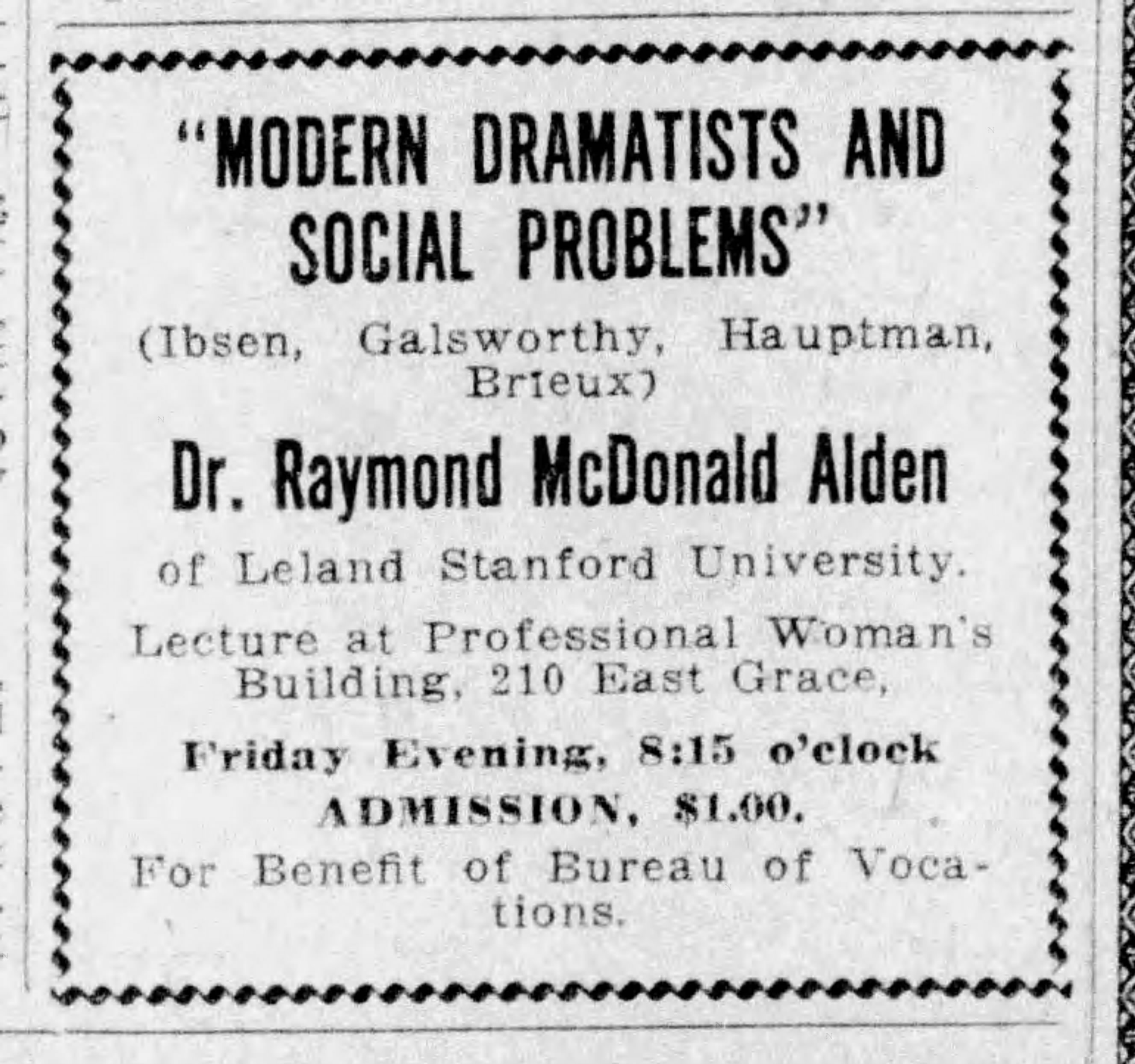
Raymond Macdonald Alden—Isabella’s son—recognized the growing trend. Raymond was an acclaimed scholar and author in his own right. He held a doctorate, served as chair of the English department at Stanford University, and was a noted expert on Shakespeare and classic literature who frequently delivered popular lectures.
from the Richmond Times Dispatch, May 1, 1919.
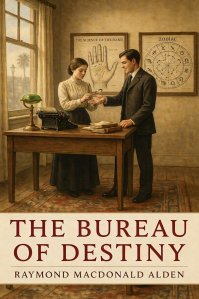
Raymond was also an award-winning short story writer. He watched the growing obsession with astrology and palmistry with a sharp, humorous eye. In 1914, he confronted the trend the best way he knew how: through a light-hearted romantic story that poked fun at the craze. His story playfully shows how common sense, honesty, and real human connections make a far more reliable foundation for love than any horoscope ever could.
When a skeptical young man stumbles into a Los Angeles “Bureau of Destiny” to cure his heartache, he has little hope for a happy future. But as the bureau’s clever secretary takes his romantic fate into her own hands, he soon learns that destiny works in mysterious and delightfully unexpected ways.
As a minister’s wife for over four decades, Isabella Alden knew firsthand what D.L. Moody describes in this month’s Bible class: how quickly a congregation’s criticism can wear down a pastor’s spirit, and how “the Holy Spirit will not work in an atmosphere of criticism.”
In Lesson 11, Mr. Moody introduces us to both the Person and work of the Holy Spirit — His conviction of sin, His gift of hope, His call to love the unlovely, and His power to bring true liberty to a captive soul.
This is a lesson for anyone who wants to better understand the Holy Spirit’s work in daily life.
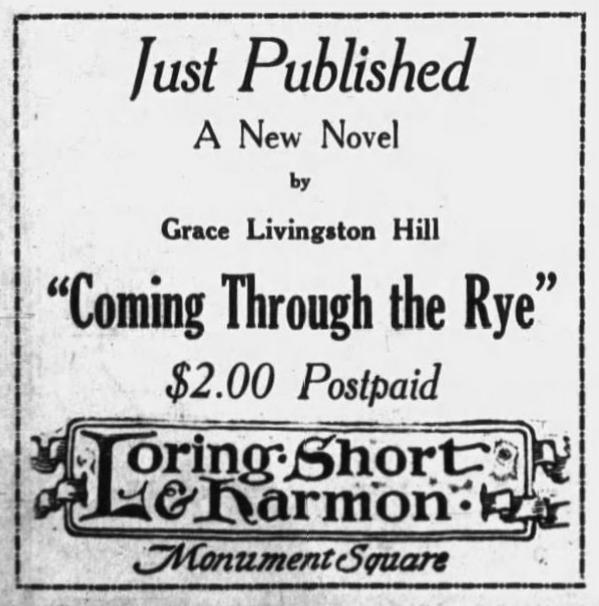
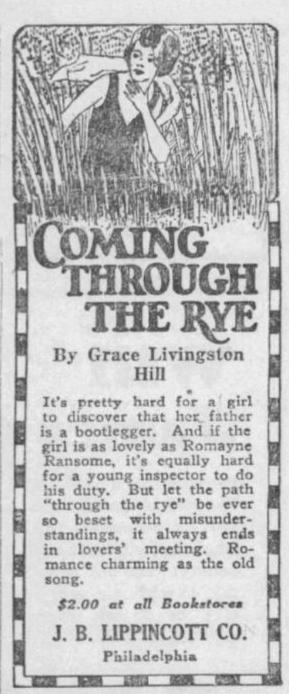
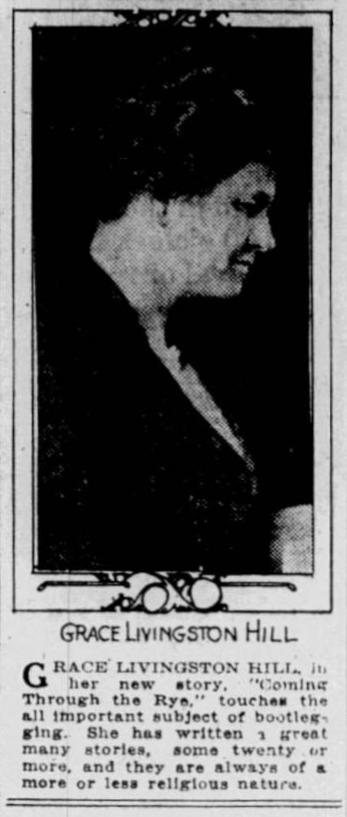
One hundred years ago, J. B. Lippincott Company published two new novels by Isabella’s niece, Grace Livingston Hill: A New Name (her 43rd novel) and Coming Through the Rye (her 44th novel).
The Philadelphia Inquirer, March 27, 1926
The mid-1920s were an interesting time for an author like Grace. While literary critics enthusiastically praised modernist writers like Ernest Hemingway and F. Scott Fitzgerald, everyday readers continued to turn to Grace for something entirely different: comfort, clear moral lessons, and stories that reminded them that life could have a noble purpose.
Evening Express, Portland, Maine, September 28, 1926
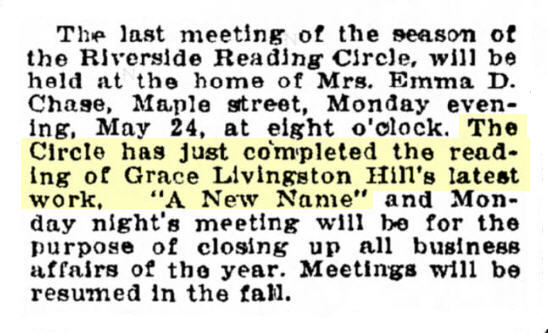
Community reading groups like the Riverside Reading Circle in Bridgeport, Connecticut, frequently placed her latest releases right at the top of their schedules:
The Bridgeport Telegram, May 24, 1926.
That enthusiasm wasn’t limited to the 1920s. Decades later, readers were still discovering her work for the first time—and realizing their mothers and grandmothers had loved her, too. In April 2000, a newspaper in Kentucky published an article by a feature writer named Nancy Taylor, who wrote:
I discovered a small volume, Coming Through the Rye, and enjoyed it so much, I mentioned it to my mother as if I were telling her something she didn’t know.
“Grace Livingston Hill!” she said. “I’ve read so many of her books I don’t know where to begin. Matched Pearls is one of my favorite stories ever.”
Chicago Tribune, September 25, 1926.
Ms. Taylor went on to write:
My great-grandmother read them, my grandmother read them, my mother read them, I’ve read them, and my daughter reads them.
St Louis Globe-Democrat October 16, 1926
The old adage, “the more things change, the more they stay the same” is still true. Grace’s novels continue to hold the same place in readers’ hearts today as they did in 1926, and every year since. Perhaps Ms. Taylor said it best in the closing lines of her article published twenty-six years ago:
Where there is discouragement in the world, Grace sowed encouragement. Where there is yearning, Grace sowed hope, and she did it across generations. It is such a comfort to know that words which so long ago inspired our great-grandmothers are today an inspiration for our daughters. Grace Livingston Hill is the author of that gift.
LEAVE A COMMENT AND TELL US:
DO YOU SHARE GRACE LIVINGSTON HILL’S BOOKS WITH OTHERS?
DID YOU BECOME A FAN BECAUSE SOMEONE SHARED THEM WITH YOU?
In August 1914, the world Isabella knew was rapidly changing. The assassination of Archduke Franz Ferdinand weeks earlier had set off a domino effect across Europe, throwing nations into war and leaving thousands of travelers scrambling to return across the Atlantic.
For most Americans, the conflict in Europe seemed a world away. But for Isabella the outbreak of World War I brought a sudden and very personal concern.
Her son, Dr. Raymond Macdonald Alden, was in the middle of it all.
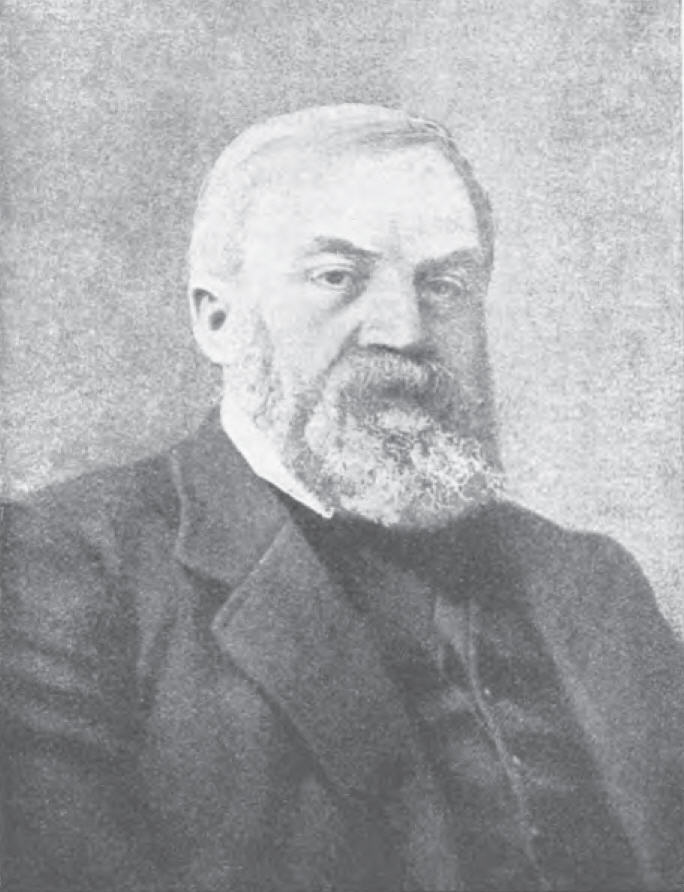
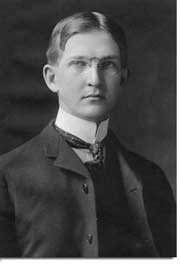
Raymond Alden in an undated photo
Raymond was a brilliant scholar and head of the English department at Stanford University. He was an accomplished author in his own right, best known for his classic short story “Why the Chimes Rang.”
In early 1914 Raymond traveled to England to spend several months conducting research in the historic archives of the British Museum and Oxford University. It was a dream trip for an American professor of English literature. But as summer drew to a close, the gathering clouds of war suddenly broke over Europe.
Duke Humfrey’s Library, the oldest reading room at the Bodleian Library at the University of Oxford. Courtesy http://www.oxfordvisit.com
Germany declared war in early August, and almost overnight, the Atlantic Ocean became a danger for travelers as German U-boats began patrolling major shipping lanes.
Before matters could escalate further, Raymond wisely booked passage home on an ocean liner called the SS Arabic that departed Liverpool on July 28, 1914.
The SS Arabic of The White Star Line, 1904.
Raymond’s journey across the ocean was anything but peaceful. For most of the voyage, a British cruiser sailed alongside the Arabic as an escort to protect the liner from a potential u-boat attack.
While the Arabic made it safely across the Atlantic that summer, the ship would not always be so fortunate. Just one year later, in August 1915, the Arabic would be torpedoed and sunk by a German submarine off the coast of Ireland, an event that made international headlines and brought the United States to the brink of entering the war. But in August 1914, Raymond’s ship docked safely in Boston, delivering him back to America unharmed.
While Raymond was braving the ocean crossing, his parents were eagerly waiting for him in New York. The Aldens had always been a close-knit family, but given the circumstances in Europe, Isabella and her husband decided to travel clear across the country to New York so they could be close by when Raymond’s ship docked. The area where they stayed held a special place in their hearts
Isabella was born in Gloversville, New York, and had attended school at Oneida Seminary. It was there that she met Theodosia Toll Foster (who would write under the pseudonym Faye Huntington), and they became lifelong best friends, sharing a bond of faith and friendship that spanned decades.
Locust Shade, the Toll Family Homestead as it appeared before it was demolished in 1952 (from The Rome Sentinel, August 13, 1952
That August of 1914, while waiting for Raymond’s return, Rev. and Mrs. Alden stayed as guests at the Toll Homestead in Verona, New York. They also spent time in nearby New Hartford, where Rev. Alden had served as a beloved pastor of the First Presbyterian Church nearly forty years earlier.
But lurking beneath the family visits and conversations with friends, Isabella and her husband must have felt a good deal of anxiety over the safety of their son. Their prayers and the bond of faith they shared with family and friends must have been a comfort and support during that time.
After nine stressful days at sea, Raymond’s ship docked at Boston Harbor and he at last joined his parents in New York. He gave the local newspaper a brief (and very understated) account of his Atlantic crossing, describing it as “a somewhat exciting trip.”
from the Daily Sentinel (Rome, New York) on August 14, 1914
Four days later, the Alden family boarded a train together for the long journey back to the home they shared in Palo Alto, California.
To the residents of Verona and New Hartford, the war across the Atlantic might have felt distant. But Raymond’s close call on the Arabic was a reminder of how quickly major world events could reach right into the homes of American families.
For Isabella and her family, facing uncertainty with steady faith and holding fast to deep friendships brought them through another trial, surrounded with love and support until they were, at last, safe at home together.
YOU CAN READ MORE ABOUT ISABELLA’S EARLY LIFE IN GLOVERSVILLE IN THESE POSTS:
Today Marcia Macdonald Livingston is widely known as the mother of beloved Christian novelist Grace Livingston Hill and the older sister of Isabella “Pansy” Alden; but Marcia was actually a talented, well-published author in her own right. She wrote uplifting stories for readers of all ages, and this month’s free read is a wonderful example. Although “A Happy Summer” was written with children in mind, Marcia’s warm, engaging writing style makes this a meaningful and entertaining read for adults, too.
For sisters Jessie and May, life in a hot, cramped city attic makes the country feel like a distant dream. With their widowed mother working day and night to keep a roof over their heads, a summer filled with green fields and fresh air seems impossible. But when an unexpected act of kindness opens the door to a new life in the quiet village of Woodbury, the Wilson family discovers the joy of answered prayers and the simple beauty of nature.
Originally published in an 1883 issue of The Pansy magazine, this special edition of “A Happy Summer” includes the original artwork published with the story, so you can read it in the same way Victorian children first enjoyed it!
Dwight L. Moody was unlike any preacher of his era. Other celebrated evangelists of the nineteenth century (including his contemporary Charles Spurgeon) preached with scholarly precision and theological authority.
Mr. Moody took a different approach. He talked to his audiences the way a trusted friend might talk across a kitchen table — warmly, personally, and without pretense. It was a style he probably carried with him from his early days as a shoe salesman in Boston, where he learned that persuasion begins with a human connection, not an argument.
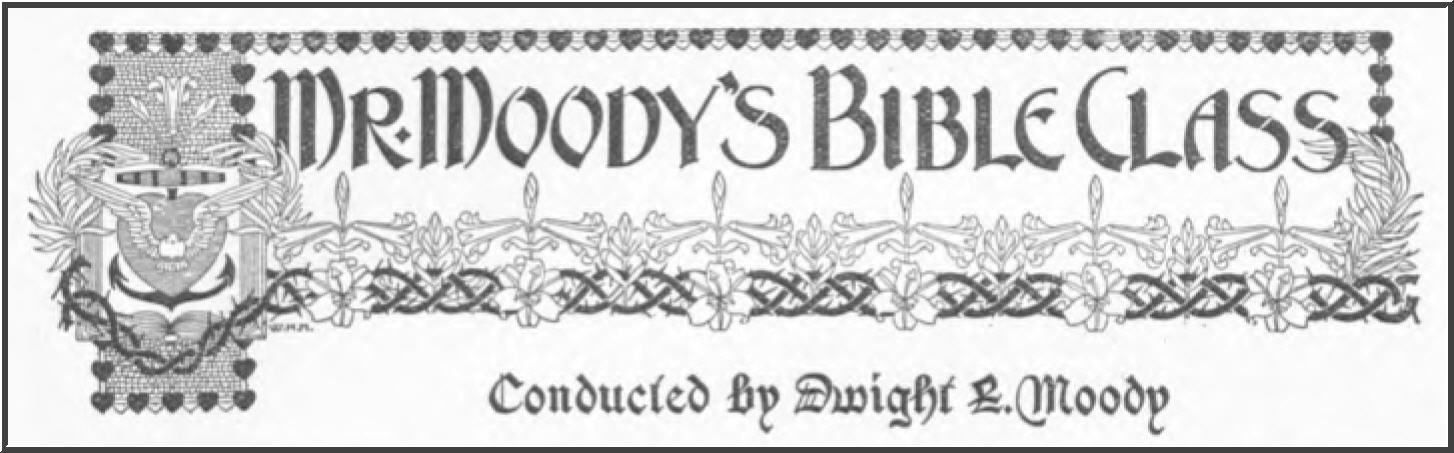
His simple, conversational style is evident throughout Lesson Ten of Mr. Moody’s Bible Class.
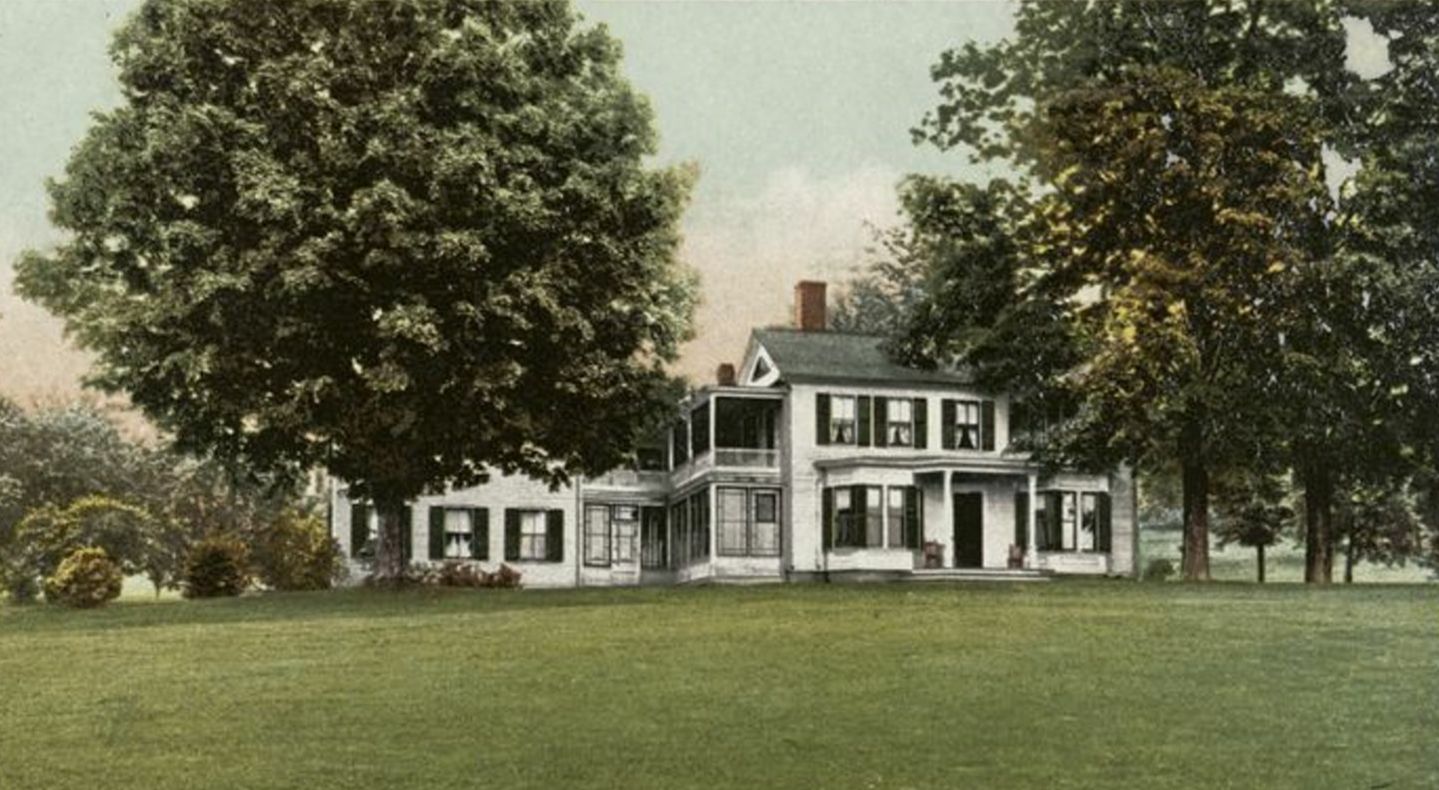
He doesn’t begin the lesson with a Scripture text or a theological declaration. Instead, he opens with a lovely description of the view from his study window at his home in Northfield, Massachusetts. He describes the Connecticut Valley stretching out before him and his view of the distant Vermont hills after an early mist has burned away. It’s a short and ordinary paragraph, and that is precisely his point. From that gentle opening he moves into one of the most profound doctrines of the Christian faith: the resurrection of the dead.
Mr. Moody’s home in Northfield, Massachusetts in 1904.
Half way through the lesson, Mr. Moody shares more about his personal life and admits that when he was a child he was terrified of death. He describes how he would pause whatever he was doing and anxiously count the strokes of the church funeral bell (one toll for each year of the deceased’s life) and feel a cold dread whenever the count was low. It’s a tender and relatable confession of fear from a man who regularly preached to millions of people.
That is what makes this lesson so powerful and so relevant for readers today. Mr. Moody doesn’t lecture us about the Resurrection from a safe theological distance. Instead, he tells us what it cost him personally to believe it — and what it gave him in return.
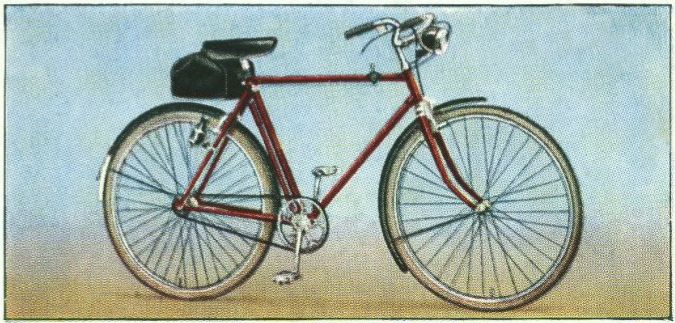
In 1918, Isabella’s husband, Reverend G. R. Alden was a healthy, hardy 86-year-old. Though retired from his ministerial duties in the Methodist church, he remained incredibly active. The Aldens were living in Palo Alto, California at the time, and because the Reverend didn’t drive, his bicycle was his primary mode of transportation. Seeing him pedaling his bike around town was a familiar and endearing sight in the neighborhood.
A roadster bicycle from about 1915, described in advertisements as “admirably suitable for the young and middle-aged.”
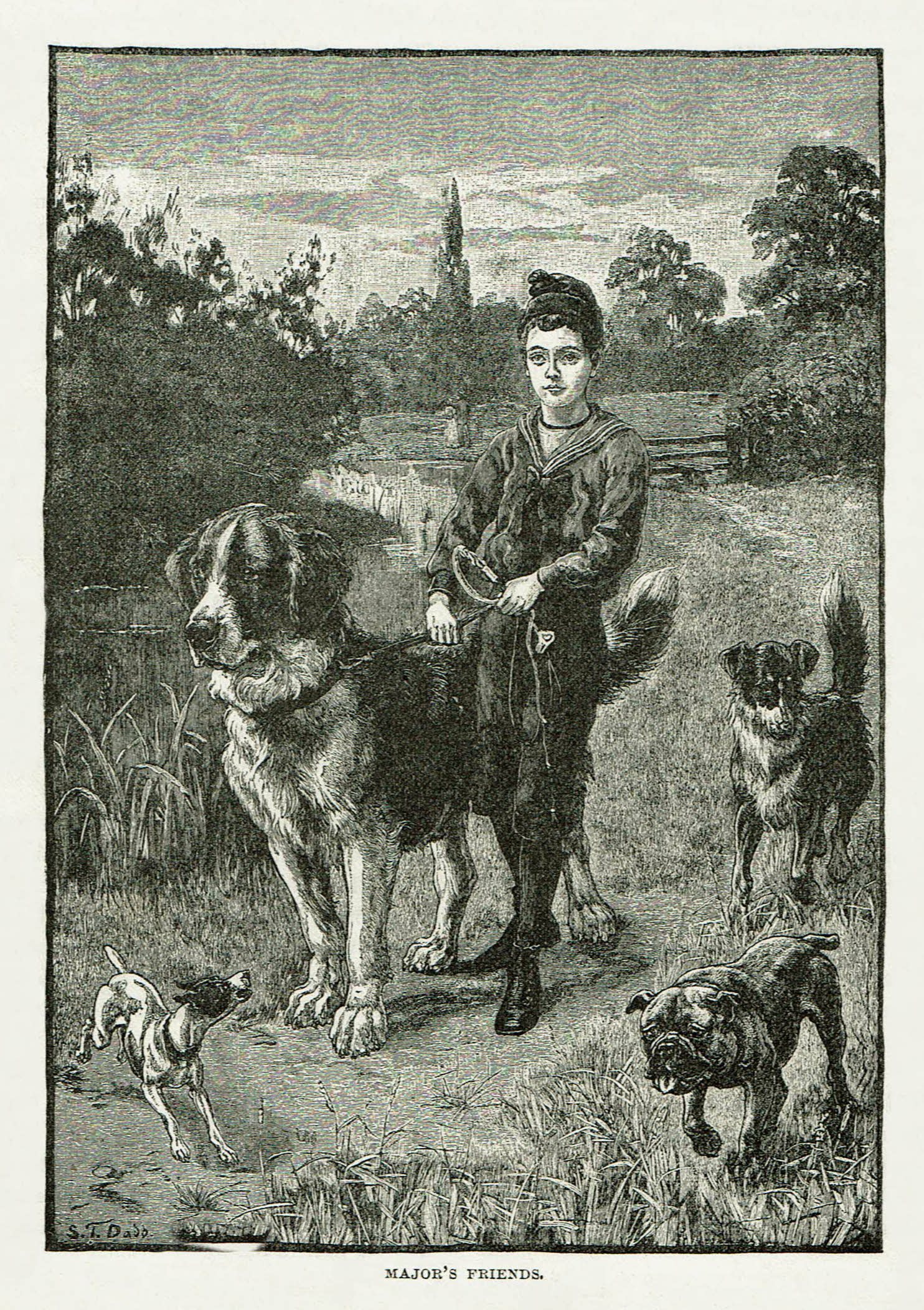
Rev. Alden was also a well-known dog lover. Years earlier, he had written two children’s novels centered around a canine protagonist named Major: Major’s Autobiography and Major’s Friends, were both serialized in the pages of The Pansy magazine in 1892.
An illustration from the 1892 serial story, “Major’s Friends.”
He was very open about his affection for four-legged friends. In the opening lines of Major’s Friends he declared to his young readers:
“By this time you will begin to believe that I am fond of dogs. Well, I am, if they are good, and I am especially fond of large, intelligent dogs.”
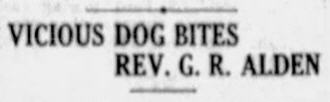
With such a deep affection for man’s-best-friend, it must have come as quite a shock to the Alden family—and the community—when the local papers ran a startling headline in July 1918.
According to the July 17, 1918 issue of the Peninsula Times Tribune, Rev. Alden was riding his bicycle near his home one evening when he was suddenly “assaulted” by a vicious bull terrier. The dog bit him, leaving a painful injury on his left leg just above the ankle. The next morning, Rev. Alden reported the attack to the police, requesting that immediate action be taken to muzzle or properly handle the dangerous dog.
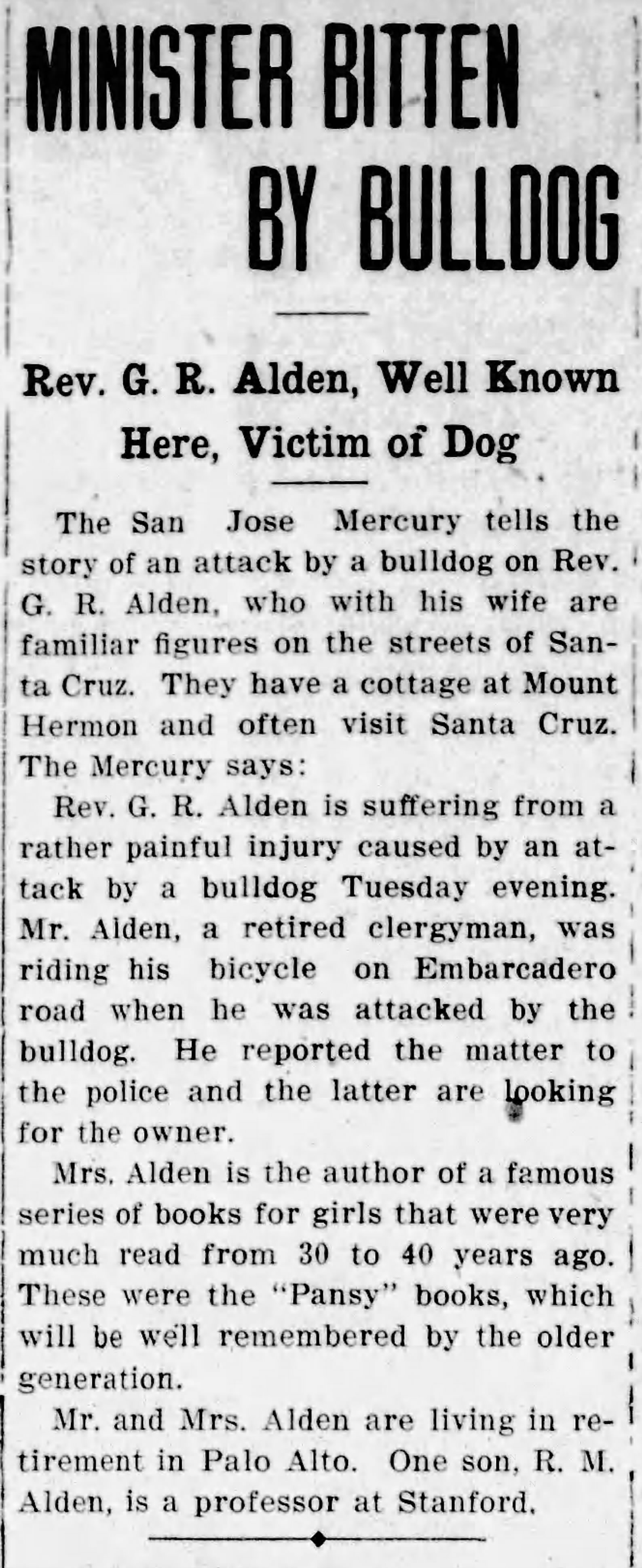
Because Isabella and the Reverend were such prominent figures in the region, the story quickly spread beyond Palo Alto to nearby San Jose. The Aldens were frequent visitors to the Mount Hermon Christian Camp in Santa Cruz, where they owned a cottage, so two days later, the Santa Cruz newspaper also picked up the story and added a few additional details for its readers.
The article made sure to note that Mrs. Alden was the famous author of the beloved “Pansy” books, and proudly mentioned that their son, R. M. Alden, was currently serving as a professor at nearby Stanford University.
Thankfully, an injury above the ankle couldn’t keep a robust 86-year-old retired minister down for long, and Rev. Alden was soon back on his bicycle, pedaling around Palo Alto. It’s fascinating to see how a minor local mishap can reveal so much about the Aldens’ daily lives, their tight-knit family, and their enduring fame in California.
Did you know Reverend Alden wrote children’s stories about dogs? Have you ever read about Major’s adventures? Leave a comment below and share your thoughts!
Isabella Alden was a teacher at heart. She learned at an early age that the best and most lasting lessons are often taught through real-life examples (read more about that here). It was a philosophy she shared frequently with other parents—whether she was speaking to mothers at church, during her summers spent at Chautauqua, or while traveling on her lecture circuit.
Isabella loved discussing the unique challenges of raising children with Biblical truths as their guide. In a 1901 article in American Mother magazine, she shared a bit of advice she had learned from a mother who found a brilliant way to do just that:
Teaching Self-Reverence.
I knew one mother who, before her son could speak the words plainly, taught him the Bible verse, “I will give thanks unto thee, for I am fearfully and wonderfully made.”
Then, every evening, during their half-hour of confidential talk, she gave him, in minute detail, some proof of the truth of this verse. He was interested in “chu-chu cars,” and had been allowed to stop and examine the great engines, and to ask numberless questions about them.
That evening, his mother told him of the engine in his body that worked day and night at its appointed task. He had a chance, one evening, to look through a small telescope and saw wonders; and was led to think of the two perfect telescopes that he carried about with him daily.
For days, for weeks, for months the marvels went on, given in serial chapters; the revelation of one small human being to his human self. Every night he repeated, with increasing reverence, the words, “I will give thanks unto thee, for I am fearfully and wonderfully made.”
Can you imagine Isabella nodding and smiling as she listened to this mother’s clever idea? Long before modern science had mapped out the intricate inner workings of the human body, this mother used a child’s natural curiosity over trains and telescopes to inspire a deep, foundational reverence for how God made him. It’s a reminder for us today that Isabella’s philosophy was right, and that the greatest truths can often be taught in the quietest moments of a daily routine.
Do you have a favorite way you’ve seen scripture or deep Biblical truths made simple for children?
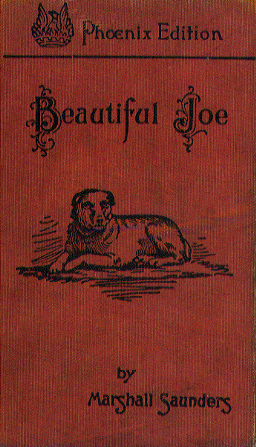
Our July free read is a short story by an author who may be new to you. Margaret Marshall Saunders was a Canadian writer of children’s stories and a passionate advocate for animal welfare. She was thirty-two years old and just starting her writing career in earnest when her novel Beautiful Joe was published in 1893 under her pen name “Marshall Saunders.” The book quickly became a worldwide bestseller and made history as the first book by a Canadian author to sell over a million copies.
Margaret Saunders was a talented writer, and when she submitted her short story “It Might Have Been” to Isabella Alden for publication in The Pansy magazine, the story must have touched Isabella’s heart.
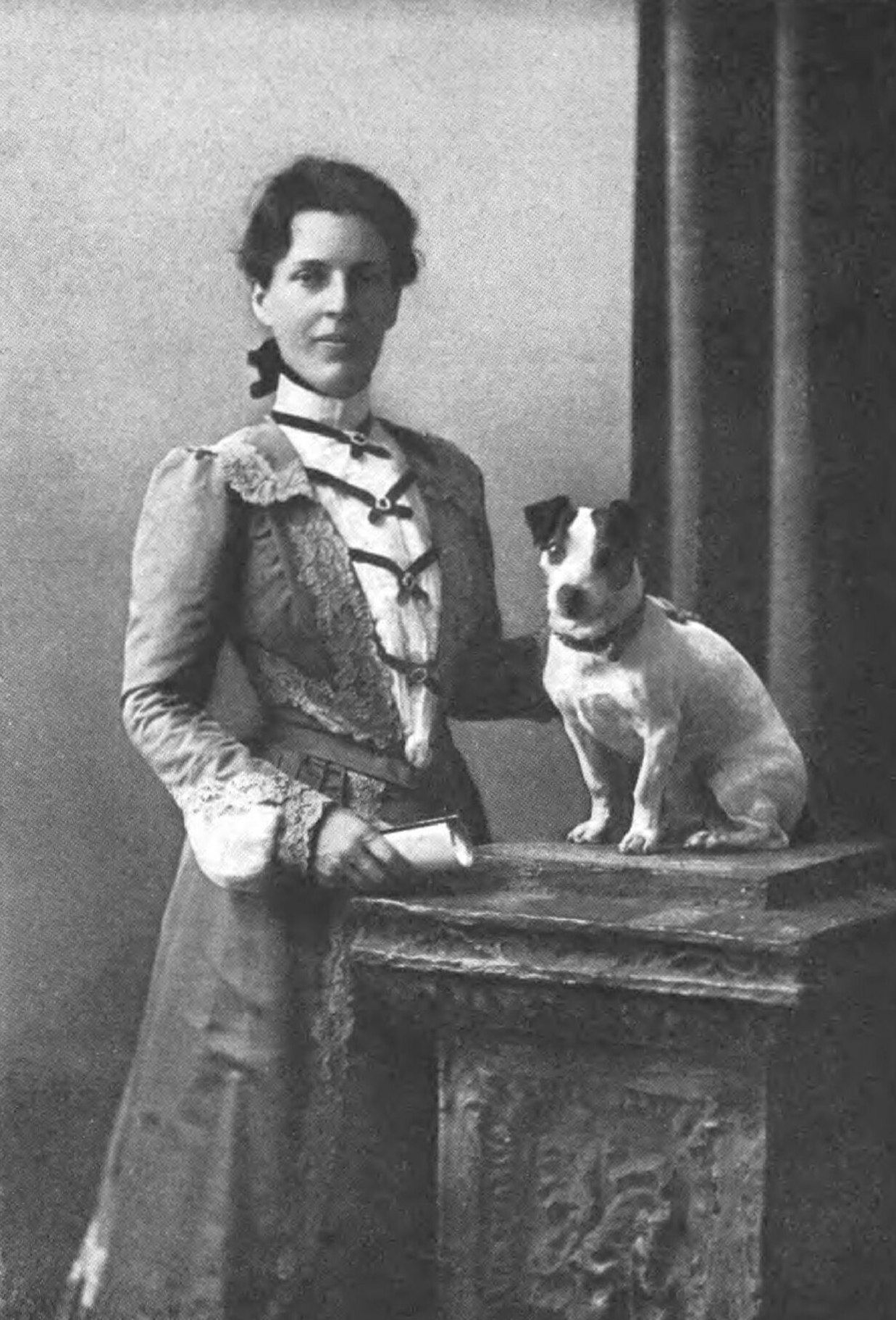
Margaret Marshall Saunders with her dog, Billie Sunday.
Like the character of Ella Crouse in the story, Isabella had a temper! Throughout her life Isabella candidly shared times when her quick flare-ups and uncontrolled anger often got the best of her, leading to situations she later regretted. It’s easy to see how she identified with Margaret Saunders’ beautifully written story. She undoubtedly knew that this tale of regret and sisterly love would resonate deeply with her readers.
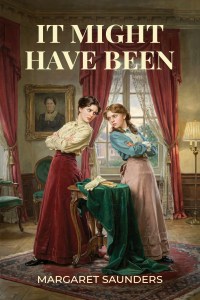
Published in the June 1895 issue of The Pansy, “It Might Have Been” by Margaret Marshall Saunders is a lovely short story that reminds us that building character is a slow process—earned through daily patience, forgiveness, and love.
Ella and her sister, Jessie, are opposites in every way. While Jessie is calm and fragile, Ella possesses a fierce, volatile temper that she struggles to master. One chaotic morning, a minor misunderstanding over a pair of gloves escalates into a passionate argument that Ella regrets. But when an unexpected crisis strikes the family later that day, Ella is forced to confront the terrifying reality of what might have been if she never got the chance to say “I’m sorry.”
Reviews and giveaways for Christian fiction and sweet, clean fiction. Bringing readers information on great stories and connecting authors with their readers.









![Newspaper Article: Verona, Aug. 14. Dr. R.M. Alden of the department of English of Stamford [sic] University, Palo Alto, Cal., has been the guest of Mrs. T. M. Foster and family. Dr. Alden was en route from London to Palo Alto. He reports a somewhat exciting trip by the steamer Arabic. A British cruiser was near at hand the great part of the way, as it was suspected that a hostile cruiser was following the Arabic. Dr. Alden has been in England several months studying in the libraries of the British Museum and Oxford. His parents, Dr. and Mrs. G. R. Alden, have been visiting friends in Verona and New Hartford for the past week, and the party left for their California home on Monday. Dr. G. R. Alden was pastor of the New Hartford Presbyterian Church about 38 years ago.](https://isabellaalden.com/wp-content/uploads/2026/08/article-snagged-ed.jpg)






 Isabella Alden